PVE pneumatic elevators: powered by air, installed in days

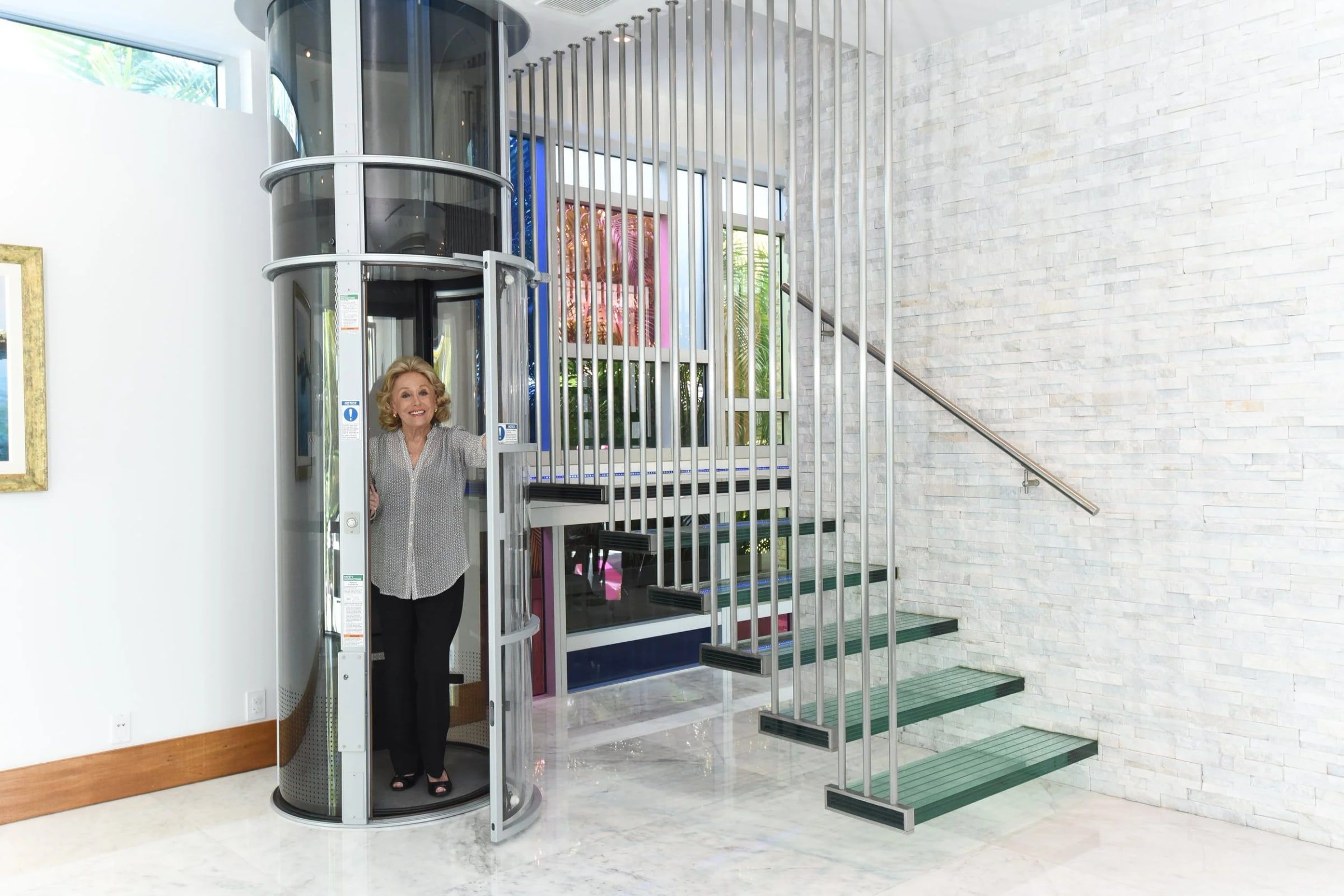
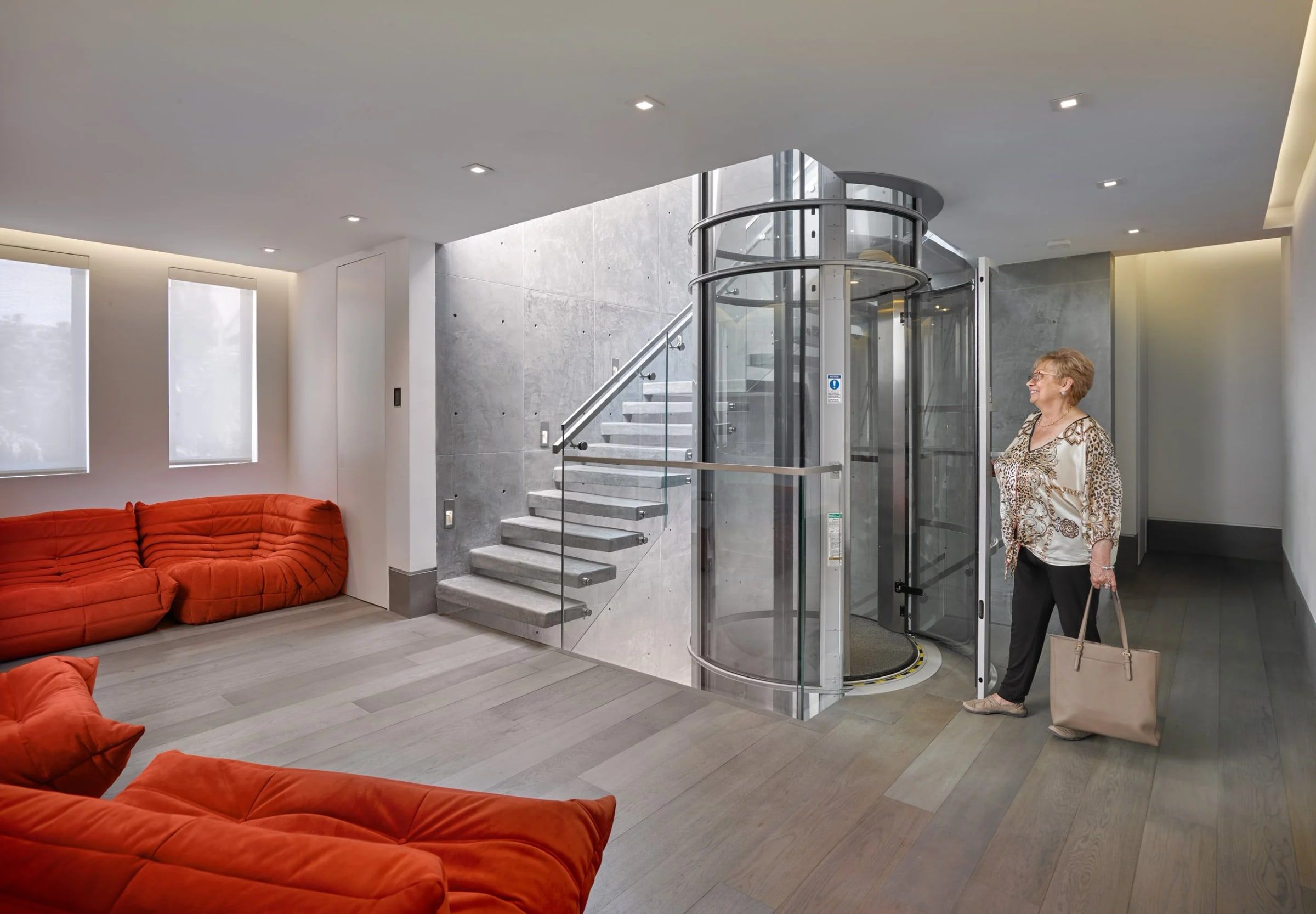
A clear tube, a cab that rides on air pressure, and no shaft, pit, or machine room. The PVE fits an existing home like nothing else, goes in within days once the floor is cut, and looks like a piece of the architecture rather than medical equipment.

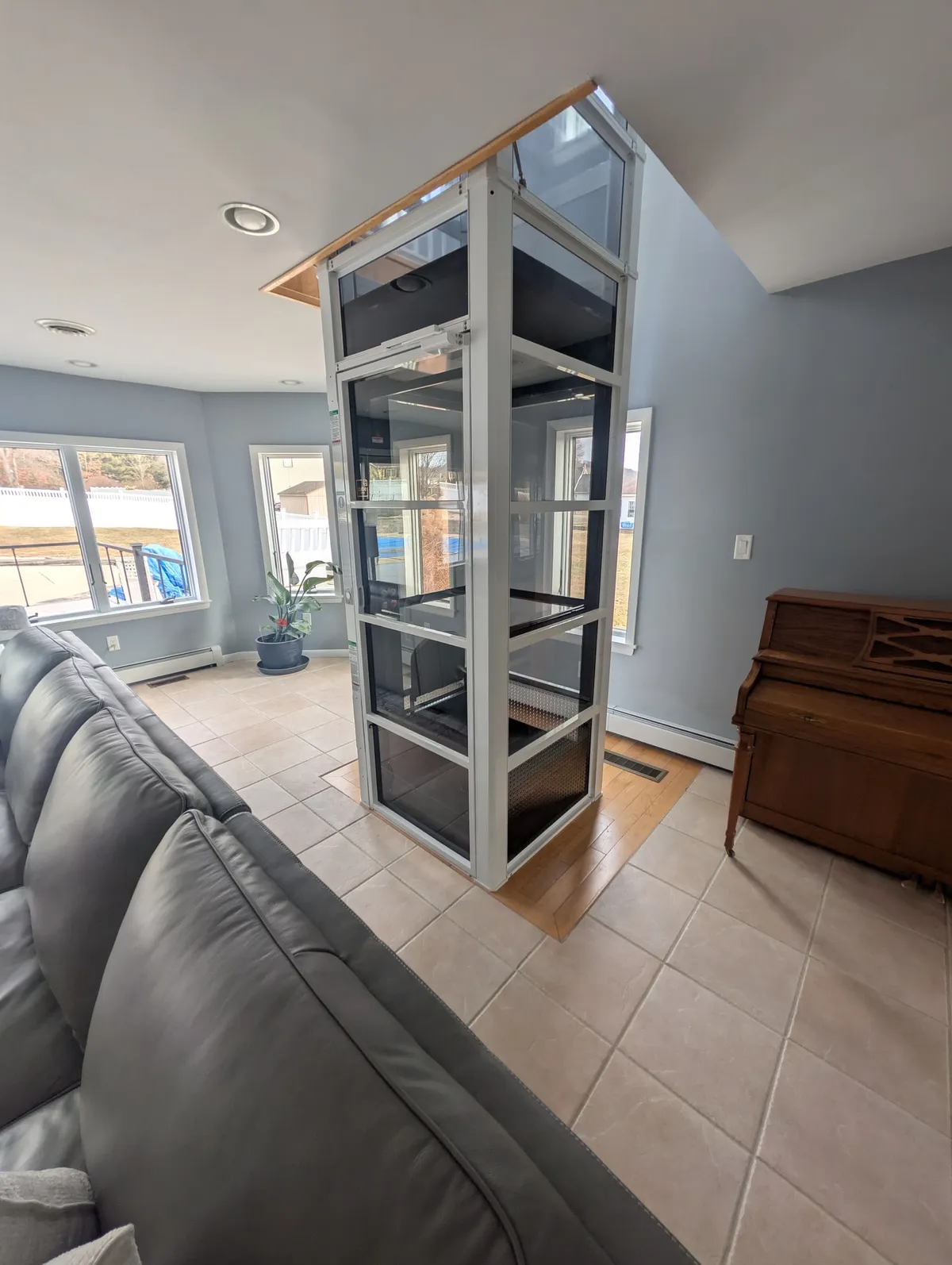
PVE pneumatic vacuum elevator standing in a West Chester, PA living room

Three sizes

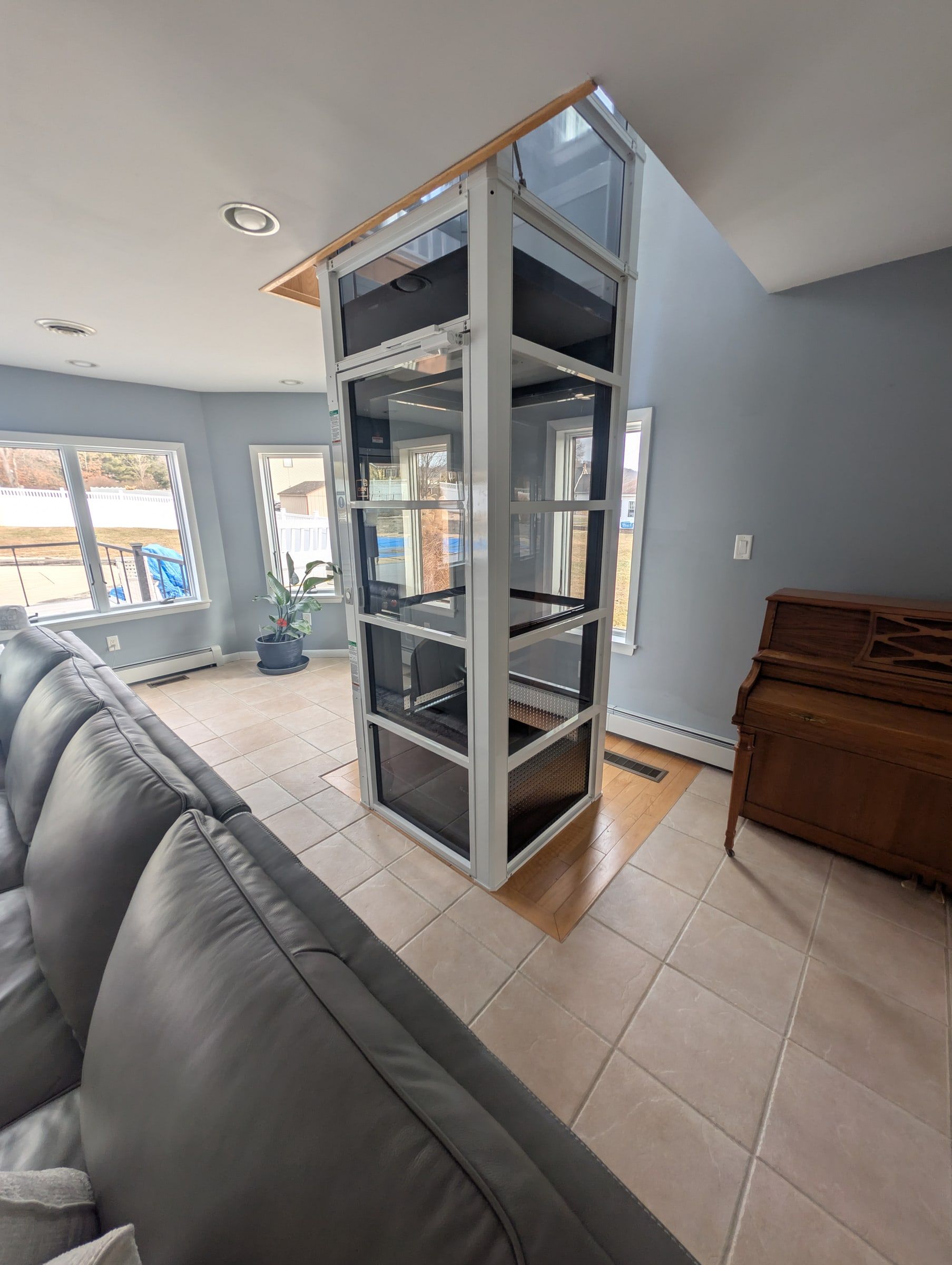
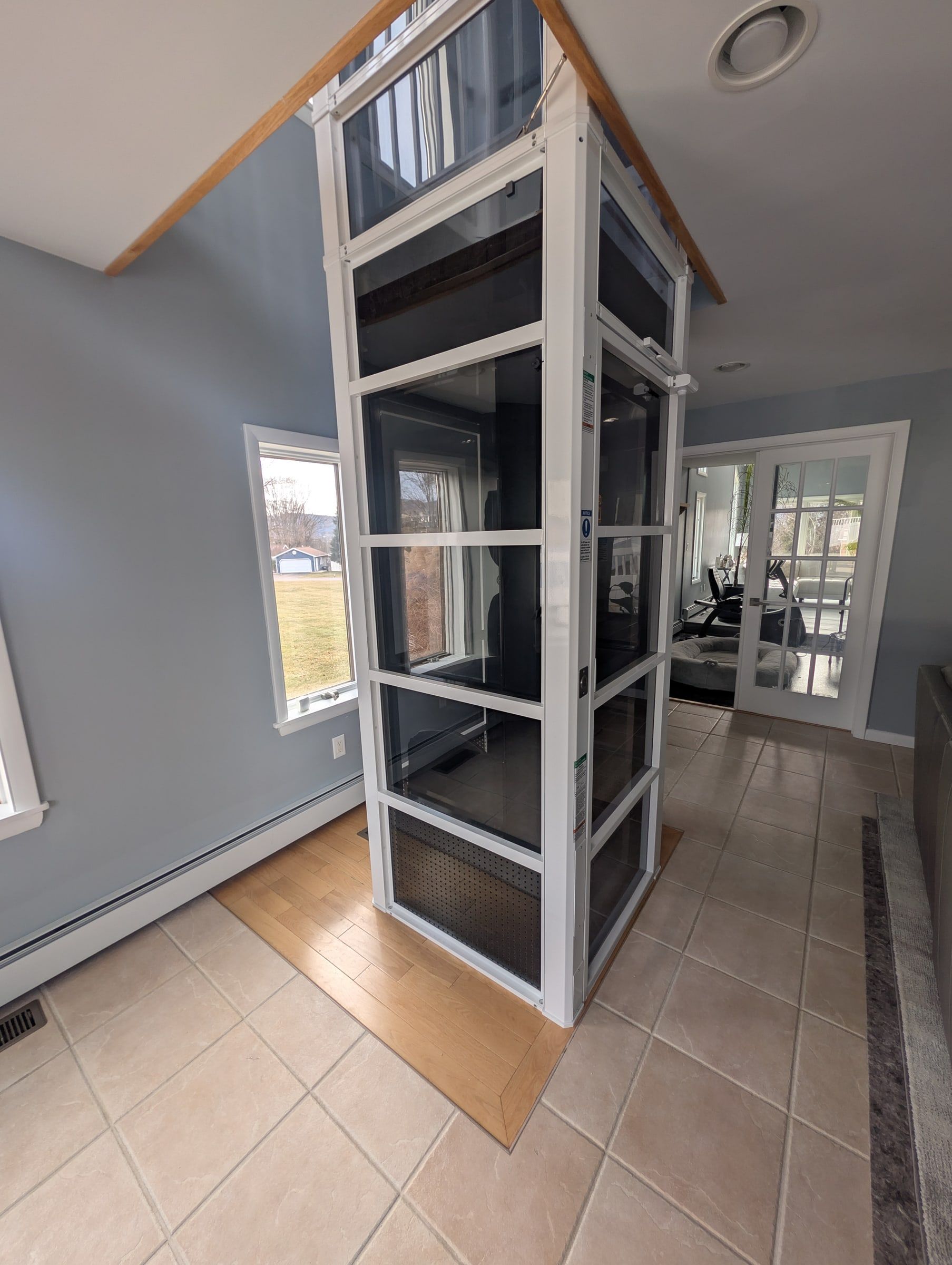
Same technology, three diameters. Pick by who rides and what they ride with. For a square version, see the PVE Cube.

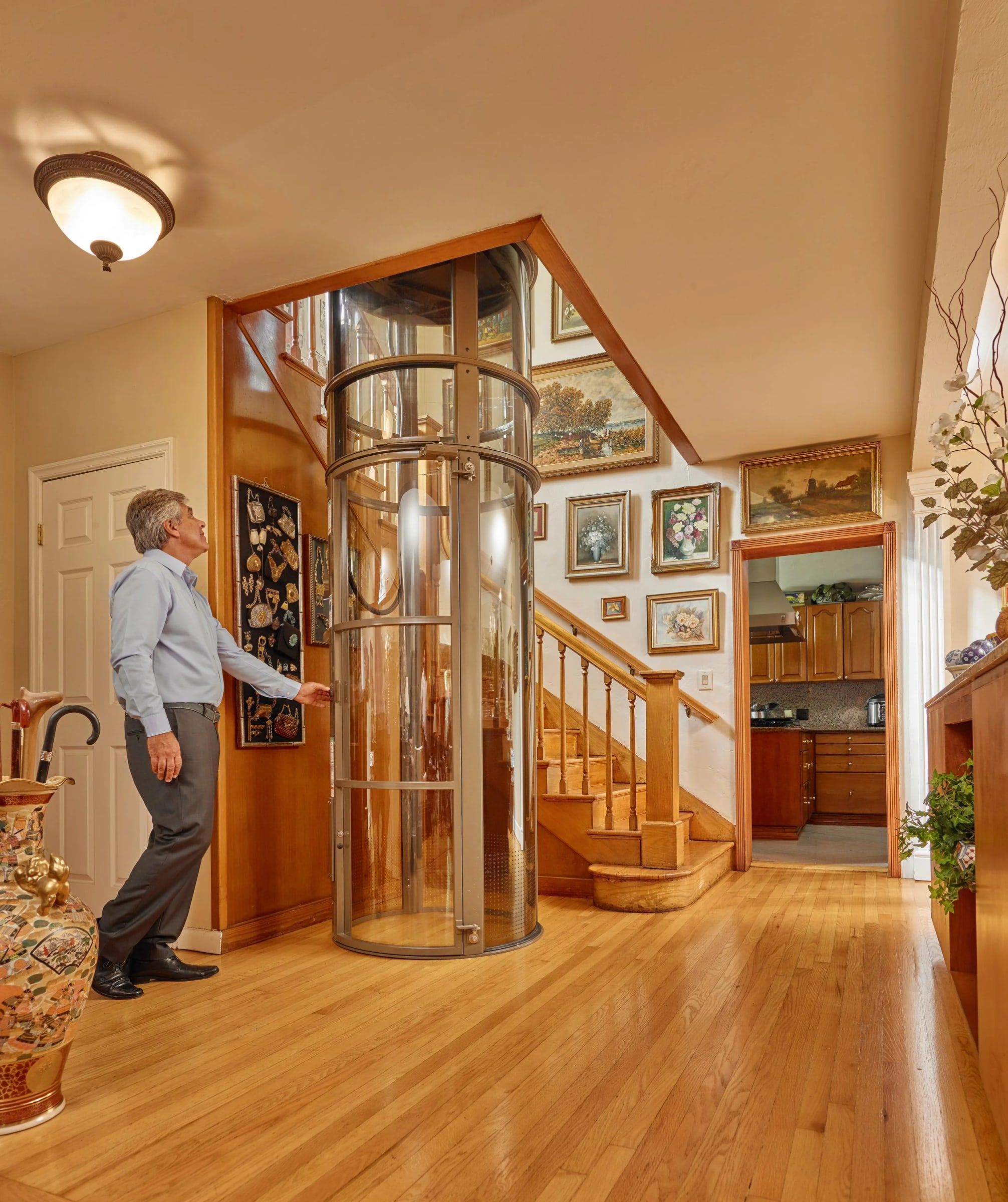
Interior of a PVE30 single-passenger pneumatic elevator

PVE30

The smallest residential elevator made. One passenger, 30 inches across, fits in a stairwell corner.

Capacity
350 lb, one passenger
Outside diameter
30 in
Inside cab
20.5 in across, 79 in tall
Stops
2 to 5, up to 50 ft total rise
Speed
35 ft per minute
Power
220V, 25A
Warranty
1 year manufacturer, plus our service warranty
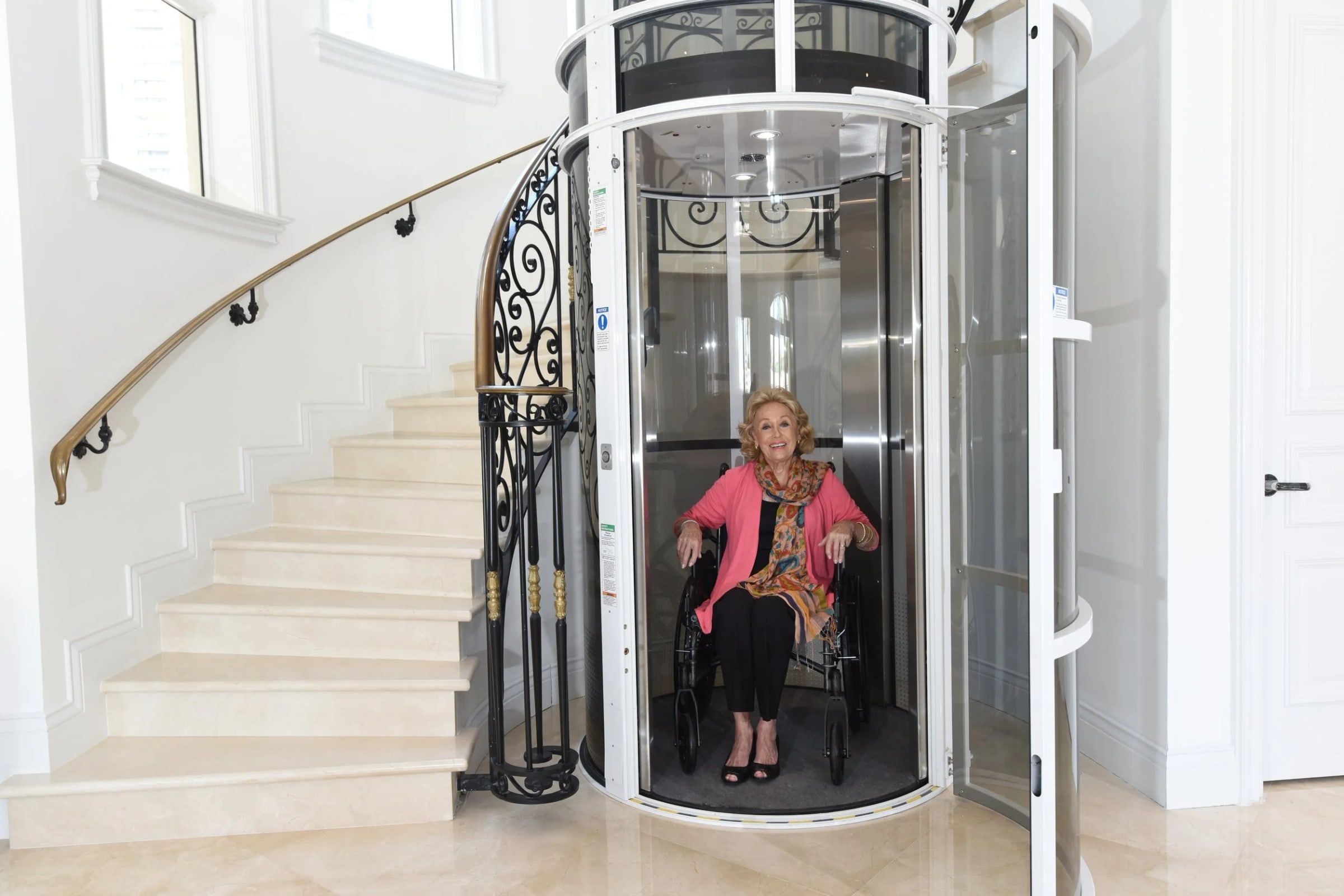
PVE37 pneumatic elevator in a two-story homeMost installed

PVE37

Two passengers, or one with a walker or a small transport chair. The most common size we install.

Capacity
450 lb, two passengers
Outside diameter
37 in
Inside cab
27.5 in across, 79 in tall
Stops
2 to 5, up to 50 ft total rise
Speed
35 ft per minute
Power
220V, 25A
PVE52 wheelchair-accessible pneumatic elevator

PVE52

Wheelchair accessible. Three passengers or a chair and a companion, with a wide in-line door.

Capacity
525 lb, three passengers or wheelchair
Outside diameter
52 in
Inside cab
43.5 in across, 79 in tall
Stops
2 to 5, up to 50 ft total rise
Speed
35 ft per minute
Power
220V, 25A

Why people choose a PVE

  • No shaft, pit, or machine room

    The tube is the structure. It stands on the floor and passes through an opening above, or attaches to a balcony edge. Nothing below grade and nothing in the attic.

  • Installs in two to four days

    Once the floor opening is cut and the circuit is run, the tube goes up in sections and the cab is set inside. We have done them in a long weekend.

  • It cannot strand you

    Lose power and the cab settles to the bottom landing with the door unlocked. There is no scenario where it stops between floors and stays there.

  • Panoramic and bright

    Polycarbonate panels all the way around. People put them in foyers on purpose. The cab has LED lighting and a fan.

  • Energy use

    Power is used only going up. Coming down uses none. A typical household circuit handles it.

  • Low maintenance

    No hydraulic oil, cables, or counterweights. The main wear item is the cab seal after thousands of rides.

What the project involves

We start with a visit to pick the spot and confirm ceiling heights at each landing. Your contractor (or ours) frames a round opening in the floor and runs a 220V 25A circuit. The unit ships in sections; we assemble the tube, set the cab, connect the turbine head, and test. Options include cab colors beyond the standard, a fold-down seat, an acoustic package, and door openers.

In Maryland we register the elevator with the state. In Pennsylvania a residential elevator is exempt from state inspection, though a township building permit may apply to the floor opening. We take care of both.

Not sure between a PVE and a Pollock shaftless elevator? The Pollock is a closed cab on a standard 115V circuit; the PVE is glass, can do more than two stops, and takes a smaller footprint. The comparison table lays it out.

Questions we hear every week

How does a pneumatic elevator work?

Turbines at the top of the tube pull air out above the cab, and normal air pressure below pushes the cab up. To go down, a valve lets air back in and the cab descends by gravity, controlled. There are no cables, pistons, or counterweights, and no pit or machine room.

Is a PVE noisy?

Going up, the turbines sound something like a vacuum cleaner for the length of the ride. Going down is nearly silent. An acoustic package reduces the sound further, and placing the turbine head remotely in an attic is possible on some installs. We can show you one running before you decide.

What happens in a power outage?

The cab lowers to the bottom landing on its own and the door unlocks. You cannot get stuck between floors.

How much space does it need?

A PVE30 is 30 inches across, which fits where no other elevator will. The PVE37 is 37 inches, the wheelchair-accessible PVE52 is 52 inches. The tube is self-supporting, so it can stand in a stairwell, next to a balcony, or in the corner of a room.

How long does installation take?

Two to four days once the floor opening is cut and the 220V circuit is run. Lead time on the unit is usually several weeks.

What maintenance does it need?

Very little. The main wear item is the cab seal, replaced after many thousands of rides. We recommend an annual checkup like any elevator.

Recent work near you

Every photo here is one of our own installations. No stock images, no staged showrooms.

See all recent installations

Ready to talk it through?

Call and you will reach a person who installs these for a living. Or request a free in-home consultation and we will come to you, measure, and give you a written price with no pressure.